


Behind every healthy shark population is often a healthy mangrove forest. These remarkable coastal ecosystems provide safe nurseries where young sharks can grow before venturing into the open ocean. When mangroves disappear, sharks lose some of their most important habitats. By protecting mangroves, we’re not only preserving one of the planet’s most powerful natural defenses against climate change—we’re also giving the next generation of sharks a fighting chance. Rob Stewart loved visiting mangroves and filmed many of them, including one of his favorites on the west coast of Costa Rica, in the Guanacaste Conservation area, a bull shark breeding ground connected to Islas Murciélago.
The International Day for the Conservation of the Mangrove Ecosystem is celebrated annually on July 26. Established by UNESCO in 2015, the day aims to raise global awareness about the critical importance of mangrove forests and promote their sustainable management and conservation. We are celebrating this day by showcasing exceptional snapshots of diverse mangroves from around the world, captured by some of the leading award-winning mangrove photographers who have donated their photos to the Ocean Image Bank.
Why We Need Mangroves
The dense networks of roots in mangroves act as natural barriers that absorb wave energy, reducing the impact of storm surges, hurricanes, cyclones, and coastal flooding on nearby communities. By trapping sediments and stabilizing shorelines, mangroves also help prevent erosion, protecting homes, infrastructure, and farmland from being washed away. Mangroves store large amounts of “blue carbon,” by capturing carbon dioxide (CO₂) from the atmosphere and locking it away in their wood, roots, and the soil beneath them, making them an important ally in combating climate change. Recognizing these benefits, governments and conservation organizations around the world are investing in large-scale mangrove restoration.
Countries including Indonesia, India, the Philippines, Bangladesh, Kenya, Mexico, and Australia have launched ambitious replanting and restoration projects, while organizations such as the Global Mangrove Alliance, Mangrove Action Project, WWF, and The Nature Conservancy work with local communities to restore degraded coastlines. These efforts not only rebuild critical habitats for marine life but also strengthen the resilience of coastal communities against increasingly severe storms and rising sea levels.
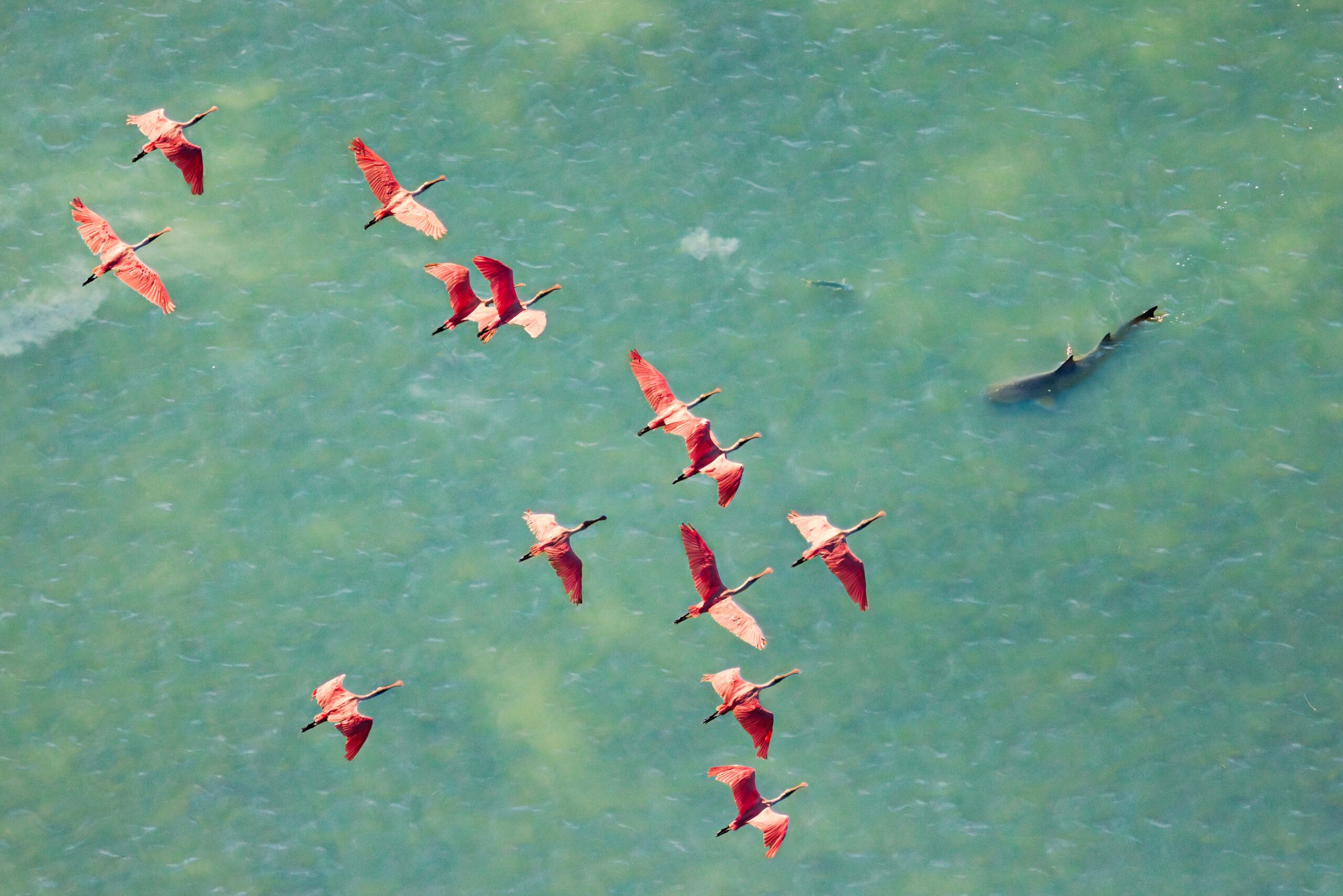
Mangrove Photography Awards Winner – Birds’ eye view of the hunt. Credit: Mark Ian Cook / Ocean Image Bank.
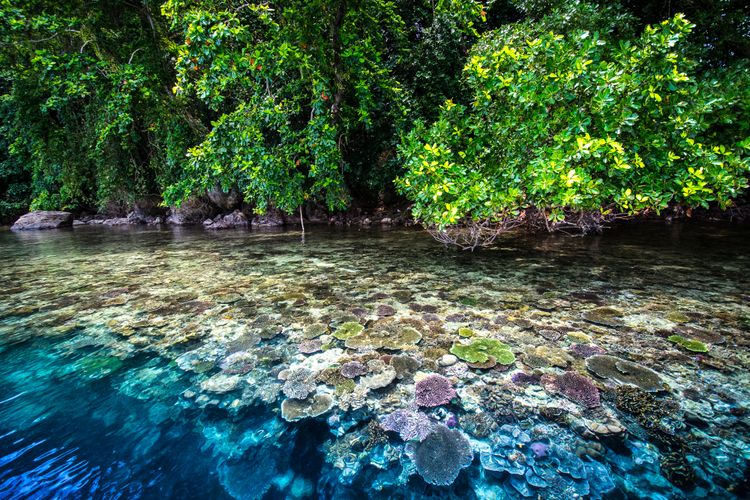
Mangroves and coral, Kimbe Bay, Papua New Guinea. Credit: Matt Curnock / Ocean Image Bank.
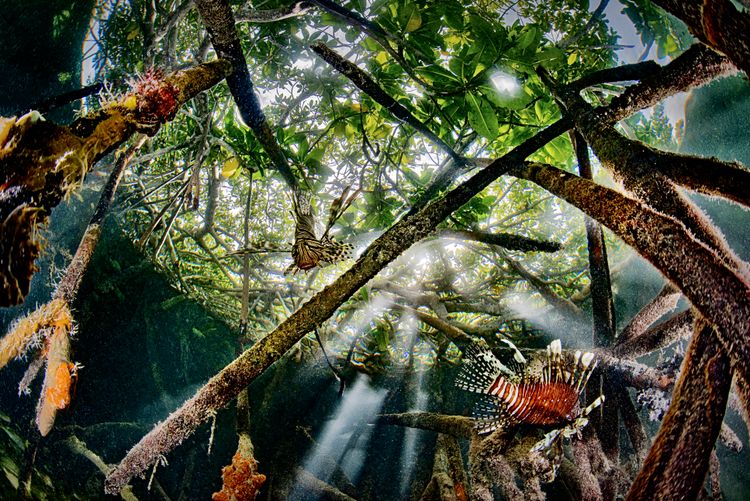
Invasive lionfish in the mangroves, Lac Bay, Bonaire. Credit: Lorenzo Mittiga / Ocean Image Bank.
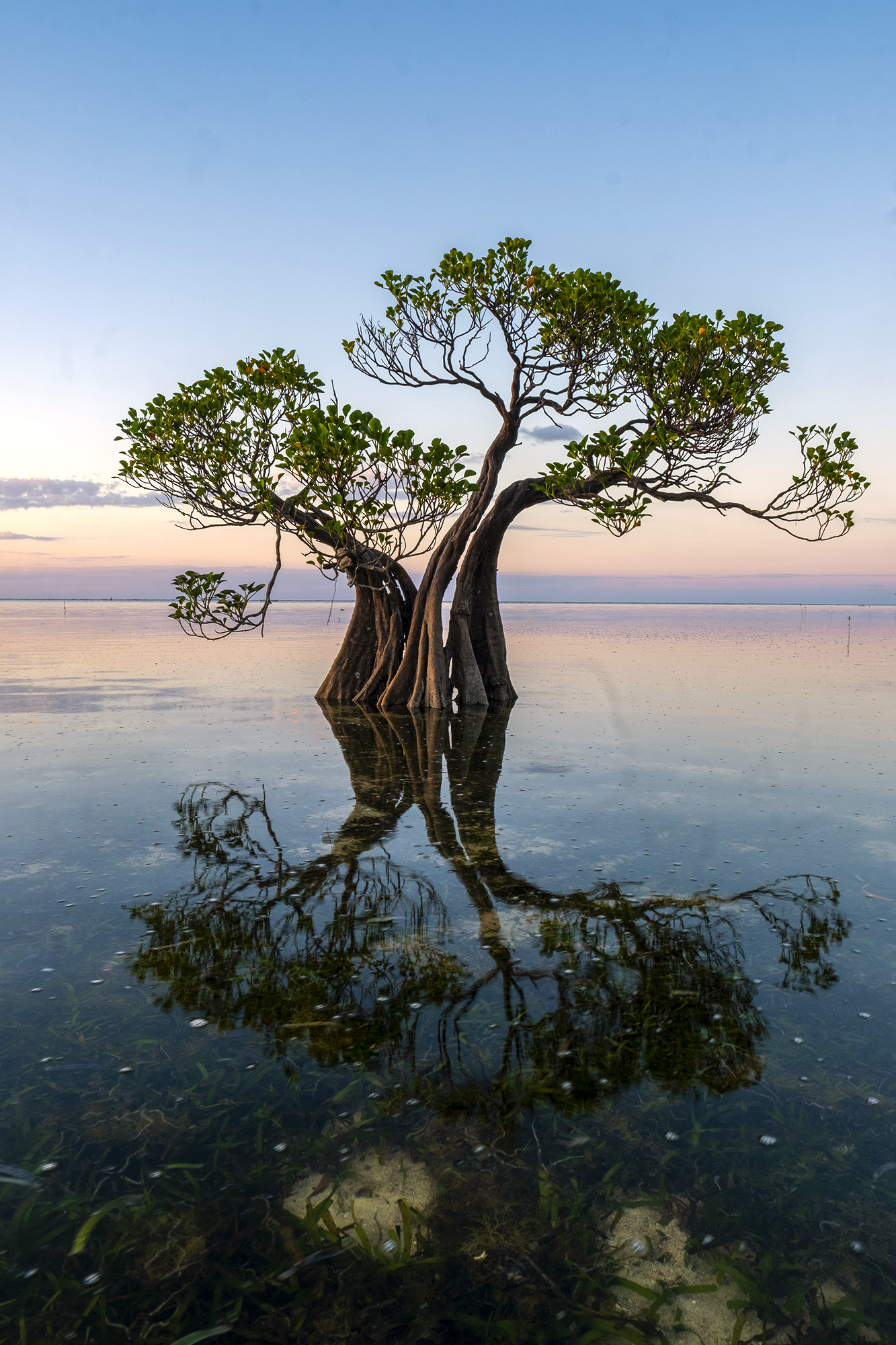
“Dancing Tree”. Credit: Irsam Soetarto / Ocean Image Bank / Mangrove Photography Awards.
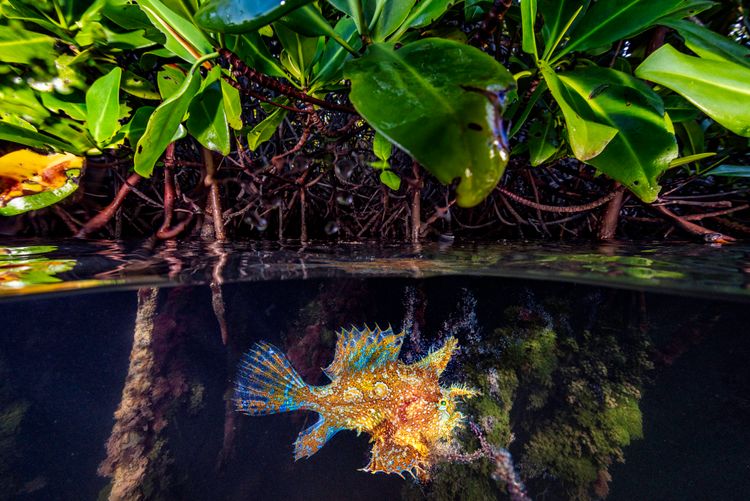
Sargassum frogfish in mangroves, Lac Bay, Bonaire. Credit: Lorenzo Mittiga / Ocean Image Bank.
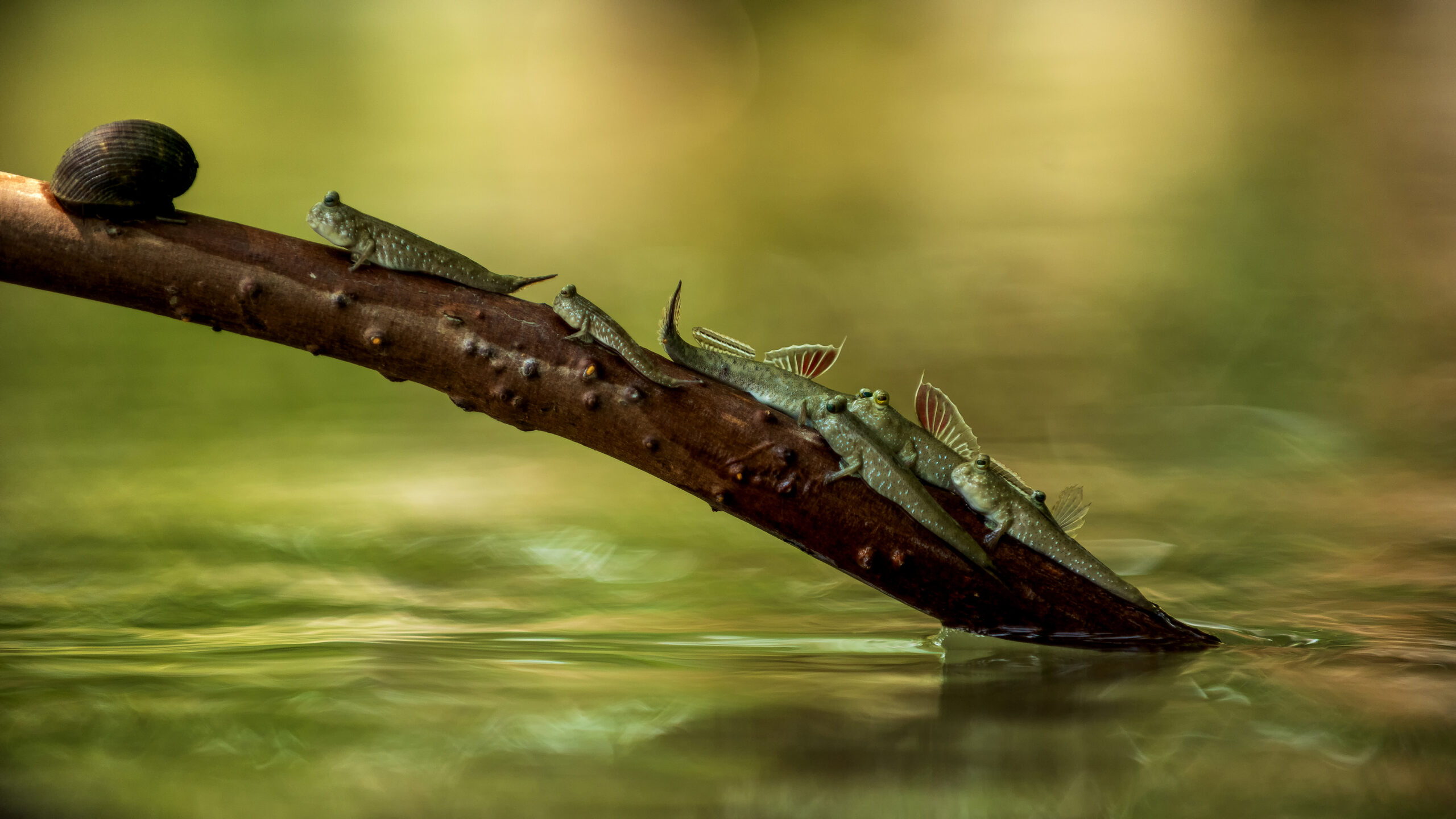
“The Mangrove Shelter”. Credit: Santanu Majumdar / Ocean Image Bank / Mangrove Photography Awards.
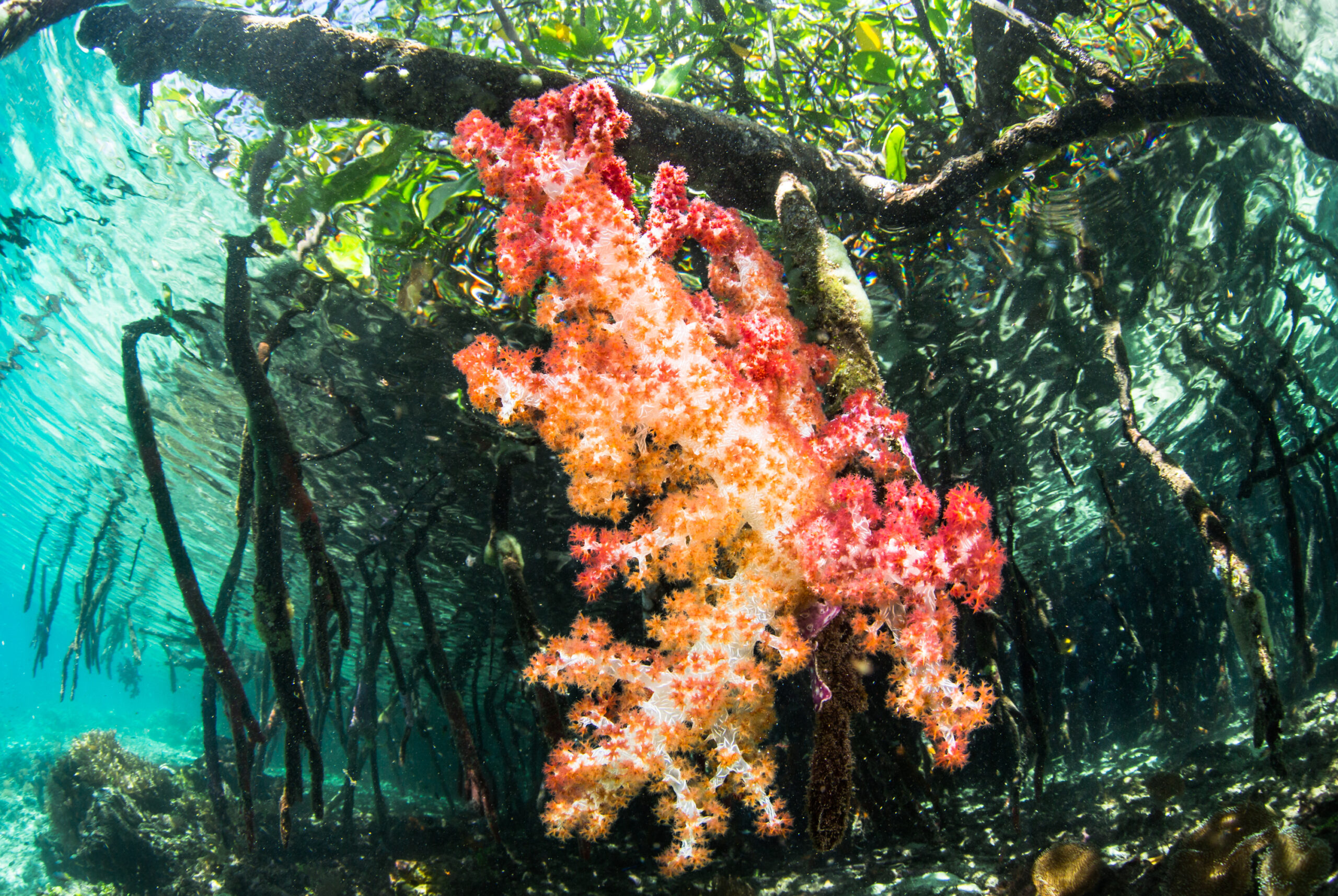
Soft coral on mangrove root, Raja Ampat, Indonesia. Credit: Toby Matthews / Ocean Image Bank.
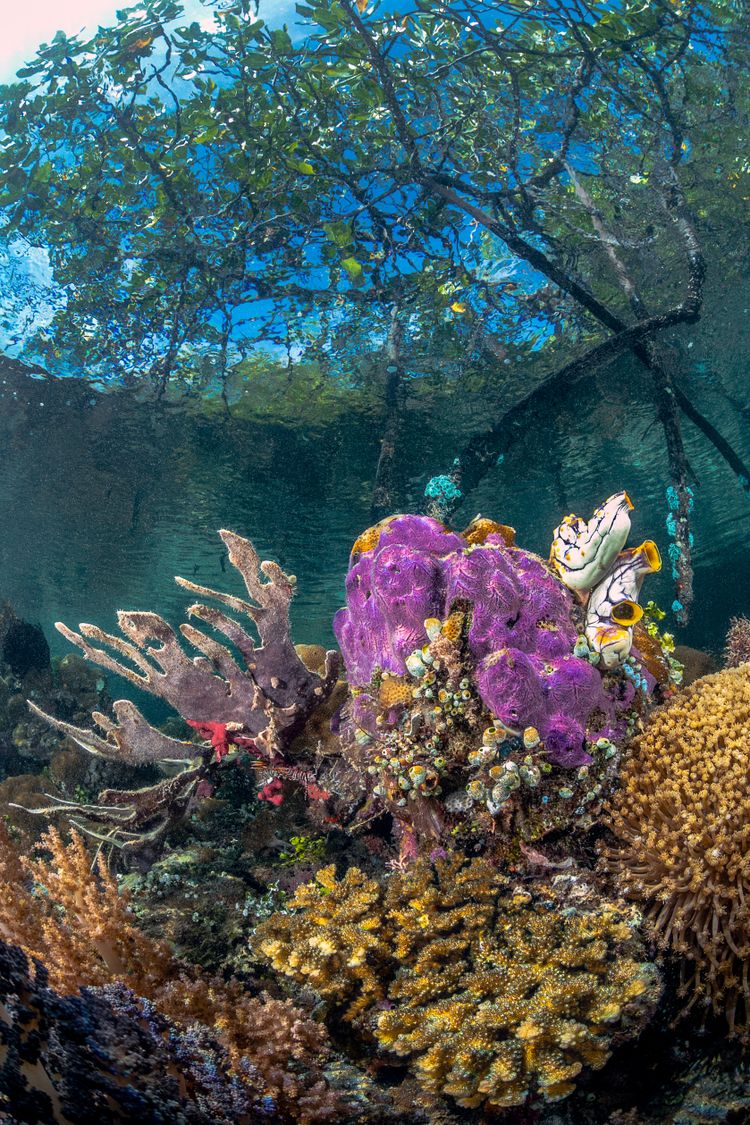
Gold Mouth sea squirt and purple sponge. Credit: Jenny Stock / Ocean Image Bank.
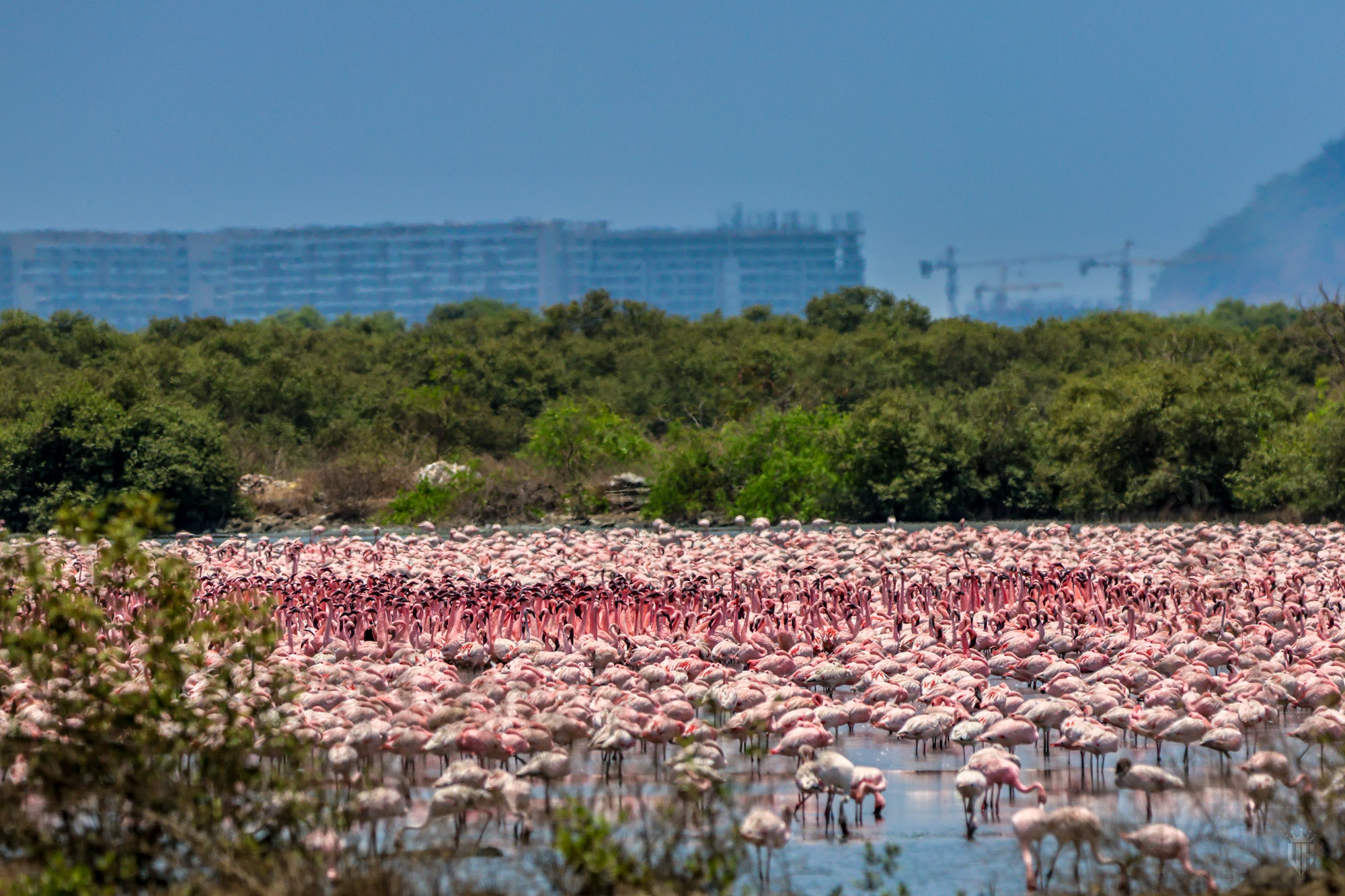
“The Pink Pilgrims of Mumbai”. Credit: Vidyasagar Hariharan / Ocean Image Bank / Mangrove Photography Awards.
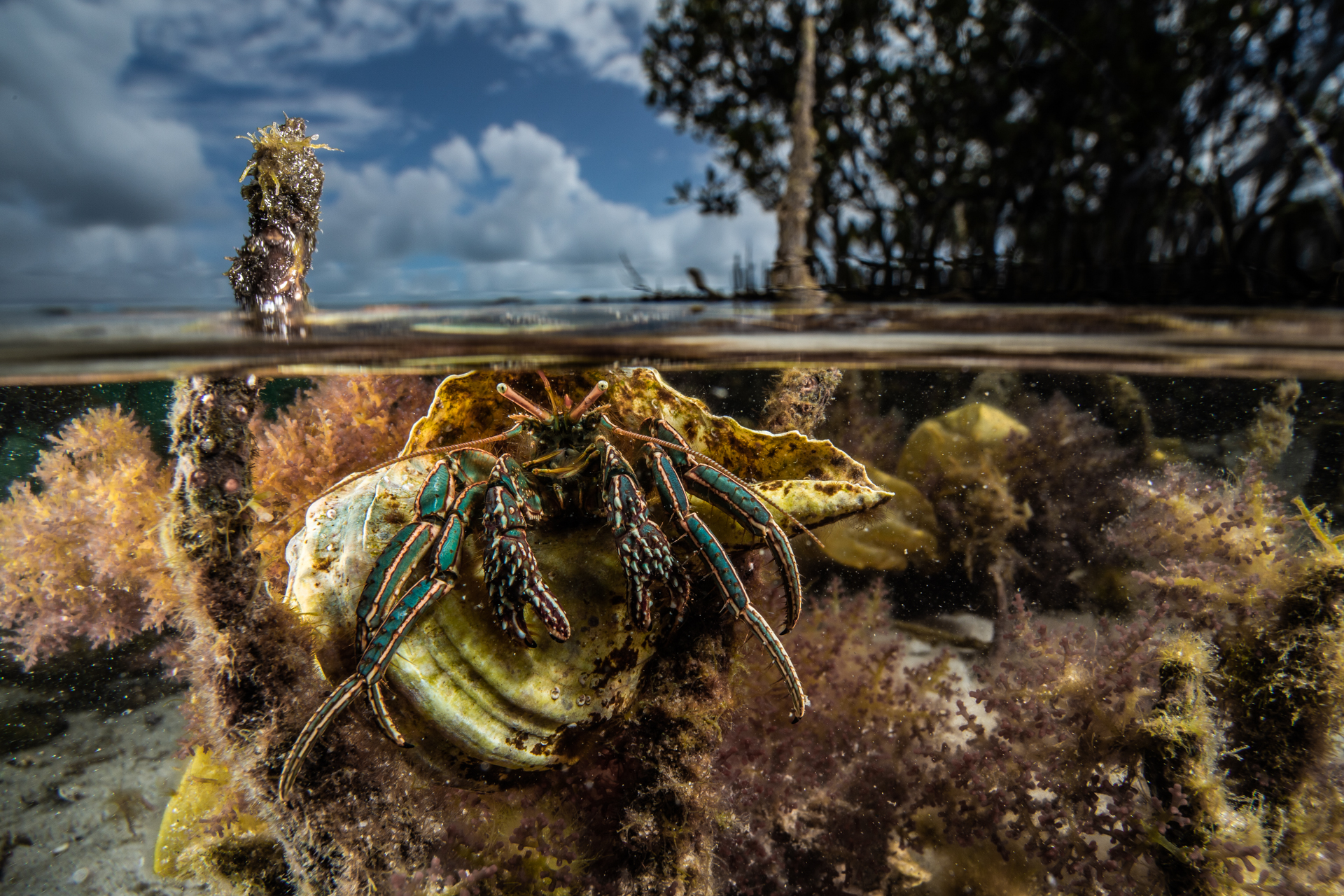
Mangrove Photography Awards Winner – Low tide on hermit crab island. Credit: Alex Pike / Ocean Image Bank / Mangrove Photography Awards.
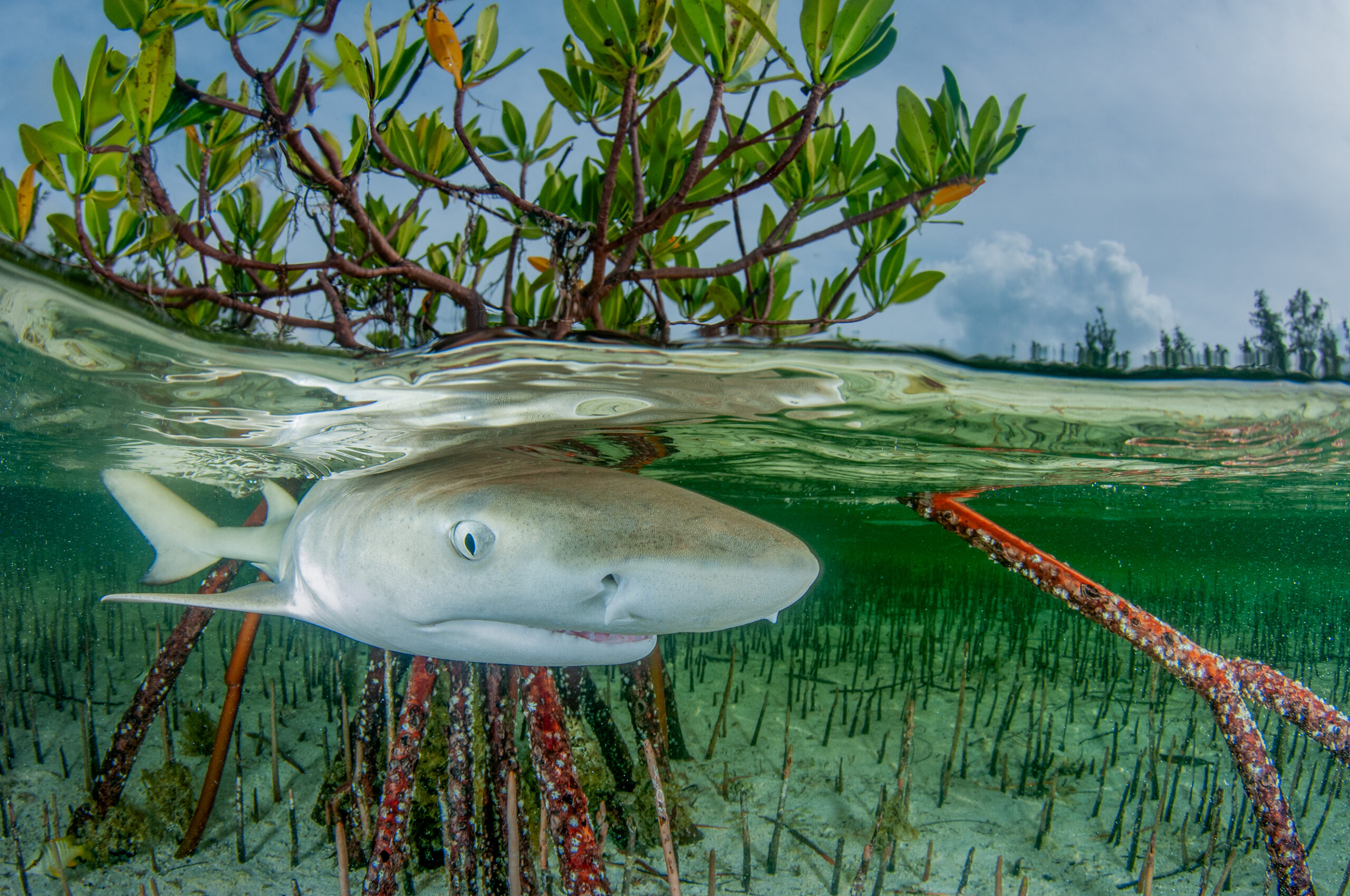
A lemon shark in the mangroves in the Bahamas. Credit: Anita Kainrath / Ocean Image Bank / Mangrove Photography Awards.
These photographers have captured the essence of how biodiverse and beautiful mangroves are. Mangrove forests are often called the nurseries of the sea, and for good reason. Their tangled roots provide shelter, food, and protection for young sharks during the most vulnerable stage of their lives. Recent research shows that juvenile sharks actively choose mangrove habitats based on tides, food availability, and predator risk, while a 2025 study from Bimini, Bahamas, found that mangrove loss can alter shark behaviour and even affect their health. Protecting mangroves isn’t just about preserving coastlines; it’s about safeguarding the next generation of sharks and the future of healthy oceans.
Want to make a difference? Support mangrove restoration by volunteering with or donating to local conservation groups, opposing coastal development that removes mangroves, or participating in community mangrove planting events. Even small actions help restore these vital coastal ecosystems, protect wildlife, and strengthen communities against storms and rising seas. By helping mangroves thrive today, you’re investing in healthier oceans and more resilient coastlines for future generations.
Congratulations to the photographers here, and thank you for using your talent to show the world why we need to conserve mangroves.
Happy World Mangrove Day!
Author: Maggie Kendall


