


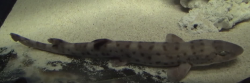
The Bali Catshark is a relatively small catshark known mainly from the Indonesian island of Bali. It may also occur in West Java, but this has not yet been genetically confirmed.
Biology and Behaviour
Very little is known about the Bali catshark. Its diet is unknown, but it most likely eats small invertebrates. The species can reach at least 47 cm (18.5 in) in total length, with males maturing at approximately 43 cm (16.9 in).
It is a reef-dwelling shark found on rocky and coral reefs. Bali catsharks occur at depths ranging from the surface to approximately 100 m (154 ft).
They spend much of their time in complex habitats, and inhabit holes and crevices similar to other related catsharks. This can provide some refuge from fishing gear that is difficult to use in these areas.
Reproduction and Lifespan
The Bali Catshark is oviparous, meaning that it reproduces by laying eggs. Little is known about its reproduction and lifespan.
Conservation and Tourism
The IUCN assessed the Bali Catshark as Least Concern in 2021. Although fishing pressure occurs throughout its range, the species is rarely landed and is not specifically targeted by fishers. The assessment found no evidence of significant population decline.
However, fishing and habitat degradation remain potential concerns. Climate-related damage to coral reefs, including coral bleaching and reef degradation, affect the habitats used by the species.
There are currently no conservation measures in place for Bali catsharks.
Do you have images or videos of Bali Catsharks?
Submit them to [email protected].


Donate Now | Team Sharkwater Newsletter | Group Sales | Shark Database | #SharkFree
Contact Us | Press | Partners | Terms of Use | Privacy Policy
© 2026 Sharkwater Productions - The Truth Will Surface 🦈