


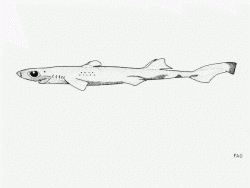
The X lanternshark is a species of lantershark found in the Western Indian Ocean, off the coast of East Africa, at depths of 200 to 500 m. Like all members of the lantern shark family they’re small, with a maximum length of 27 cm, they live in deepwater, and have light-producing photophores on their body. These photophores are just bright enough to mask their silhouette and make them look invisible from below, and allows them to sneak up on prey.
They’re ovoviviparous. The embryos develop in eggs inside of the mother until they’re ready to hatch. The average litter size is unknown. Pups are born about 6 cm long.
This species is subject to limited fishing mortality off South Africa and Mozambique as bycatch. No deepwater fishing occurs off Tanzania, and the species has some refuge in deeper waters beyond current fishing activities. Although fisheries capture this species, the population is not suspected to have been reduced sufficiently to approach thresholds for a threatened assessment and the Thorny Lanternshark is therefore assessed as Least Concern. Further research is needed on biology, ecology, and interactions with fisheries. Any expanding deepwater fisheries in the region need to be carefully monitored and managed.
There are currently no protections or conservation measures in place for the Thorny Lanternshark. Like many deepwater chondrichthyan species, more information on biology, ecology, and interactions with fisheries are required. Any expanding deepwater fisheries in the region (which could impact its habitat and population) need to be carefully monitored and managed.
Do you have images or videos of Thorny Lanternsharks?
Submit them to [email protected].


Donate Now | Team Sharkwater Newsletter | Group Sales | Shark Database | #SharkFree
Contact Us | Press | Partners | Terms of Use | Privacy Policy
© 2026 Sharkwater Productions - The Truth Will Surface 🦈